
Cat Diarrhea: When to Worry (and When Not To)
Even the healthiest cats can experience diarrhea from time to time. But what does it mean when your cat has diarrhea but seems fine? Is it something minor, or should you take action right away? This question leaves many pet owners unsure of the next step. While diarrhea can sometimes resolve on its own, it can also signal something more serious. In this blog, we’ll explore the common reasons behind diarrhea in cats, what to watch for, and when it’s time to get professional help. If you’re in the Matthews, NC area and need peace of mind, call Caring Hearts Animal Hospital at 704-893-2799.
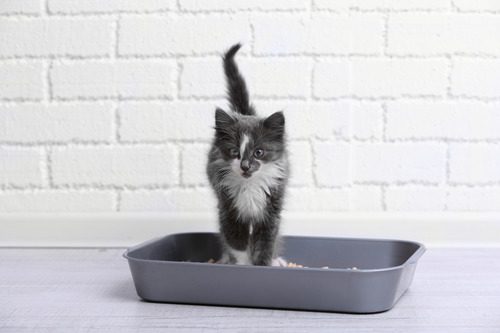
What It Means When Your Cat Has Diarrhea But Seems Fine
When a cat has diarrhea but seems fine, it can be easy to dismiss it as no big deal—especially if they’re eating, playing, and acting normal. Many pet owners assume it will clear up on its own, and sometimes, that’s true. Diarrhea can result from mild gastrointestinal upset, such as a change in diet or mild stress. However, the presence of loose stools, even in a seemingly healthy cat, still points to an imbalance in the digestive system.
A short episode of diarrhea that resolves within a day or two may not be cause for concern. But if it continues for more than 48 hours or returns frequently, it’s worth looking into. The fact that your cat appears normal outwardly doesn’t always reflect what’s happening internally. Diarrhea can lead to dehydration, nutrient loss, and disruption of gut health if left unchecked.
Common Causes of Diarrhea in Cats
Many underlying issues can cause a cat to have diarrhea but seem fine. Understanding the possible causes helps narrow down what might be happening with your pet.
Dietary Changes
Cats have sensitive digestive systems, and even a slight change in food can result in loose stools. Switching to a new diet too quickly or offering unfamiliar treats can throw off your cat’s digestive rhythm. Gradually transitioning to a new food over a week is the best way to avoid this issue.
Stress or Environmental Triggers
Cats are creatures of habit. Moving to a new home, the arrival of a new pet or baby, or even loud noises can stress your cat out. That stress can manifest in gastrointestinal issues, including diarrhea. Even if your cat has diarrhea but seems fine, recent changes in their environment could be the cause.
Food Intolerances or Allergies
Some cats develop intolerances to certain ingredients like dairy, beef, chicken, or grains. An intolerance or allergy might not change your cat’s behavior right away, but it can irritate their digestive tract and cause soft or watery stool.
Parasites
Intestinal parasites like giardia, coccidia, and roundworms are common, especially in kittens or outdoor cats. Some cats may carry a parasitic infection with only mild symptoms, such as intermittent diarrhea. A fecal test at your veterinarian’s office is the only way to detect these issues.
Infections or Inflammatory Conditions
Viral, bacterial, or fungal infections may cause diarrhea even if your cat appears normal in other ways. Similarly, conditions like inflammatory bowel disease (IBD) or colitis can cause chronic digestive symptoms without affecting appetite or energy right away.
When Should You Call the Vet?
Just because your cat has diarrhea but seems fine doesn’t mean it should be ignored. There are some key signs and timelines to watch for that suggest it’s time to schedule a veterinary visit.
Diarrhea Lasts More Than Two Days
If the diarrhea persists for more than 48 hours, especially with no signs of improvement, it’s time to consult your veterinarian. Ongoing diarrhea can lead to dehydration and other complications, even in active and seemingly healthy cats.
Diarrhea Recurs Frequently
Some cats experience chronic or recurring diarrhea, which can point to long-term conditions like food intolerance, parasites, or inflammatory disease. Even if the symptoms appear mild, frequent digestive upset isn’t normal and should be evaluated.
Diarrhea Includes Blood or Mucus
The appearance of your cat’s stool can offer valuable clues. Blood or mucus in the stool may indicate irritation or inflammation in the intestines. This can result from parasites, infections, or more serious gastrointestinal diseases.
Changes in Appetite, Weight, or Behavior
A cat with diarrhea but seems fine may eventually start to show other symptoms, such as reduced appetite, lethargy, or weight loss. If these signs begin to appear, your cat needs a medical exam right away.
What Your Vet Will Check For
When you bring your cat to the vet for diarrhea, your veterinarian will begin by asking questions about recent diet changes, behavior, and medical history. Even if your cat has diarrhea but seems fine, your vet will take the concern seriously and perform diagnostic tests as needed.
Physical Exam and Fecal Testing
A thorough exam helps your vet look for signs of discomfort or dehydration. A fecal test can identify parasites or abnormal bacteria that might be contributing to the problem.
Bloodwork and Imaging
In chronic or severe cases, your vet may recommend blood tests or imaging such as X-rays or ultrasound to assess organ function and look for internal inflammation or obstruction.
Trial Diets or Food Elimination
If no infections or structural problems are found, your veterinarian may recommend a trial with a limited-ingredient or hypoallergenic diet to rule out food sensitivities.
Managing Diarrhea Safely and Effectively
While home remedies might be tempting, it’s important to work with your veterinarian for safe and effective treatment options. The best plan depends on the cause of your cat’s symptoms. Your vet might recommend temporary dietary adjustments, probiotics, fluid therapy, or medications to support the digestive system. Even if your cat has diarrhea but seems fine, professional treatment helps prevent further complications and restores normal gut function more quickly.
Tips for Preventing Diarrhea in the Future
Once your cat’s digestive health is back on track, there are several ways to help avoid future problems. Cats thrive on consistency, both in their environment and their diet.
- Stick to a Steady Diet: Avoid frequent changes to your cat’s food or treats. If a change is necessary, make the transition slowly over a week. Sudden switches are one of the most common causes of short-term diarrhea.
- Monitor for Parasites: Routine fecal checks and parasite prevention are especially important for outdoor cats or multi-cat households. Internal parasites often go unnoticed until symptoms like diarrhea appear.
- Reduce Household Stress: Creating a quiet, predictable space for your cat helps minimize stress-related issues. This includes maintaining a consistent routine, providing safe hiding spots, and using enrichment tools like toys or puzzle feeders.
Occasional loose stool isn’t unusual, but if your cat has diarrhea but seems fine, it’s still worth paying attention. Subtle symptoms can be easy to overlook, especially if your cat is otherwise acting normally. But digestive issues often start quietly and worsen over time without intervention. If your cat is experiencing ongoing or unexplained diarrhea, the safest and most effective option is a professional veterinary evaluation. If you’re in the Matthews, NC area, the team at Caring Hearts Animal Hospital is here to help. Call us today at 704-893-2799 to schedule an appointment and get your cat back to feeling their best.
Recent Posts
About Us
At Caring Hearts Animal Hospital, we’re not your typical veterinarian in Matthews, NC. We have been welcoming dogs and cats from Mint Hill, Indian Trail, and Union County for over 15 years, and our team is comprised of pet owners, too–so we appreciate the bond you share with your companions!