
Protecting Your
New Puppy or Kitten

Puppies and kittens require specialized veterinary care during their first year of life to support healthy growth and development. Our puppy and kitten care services at Caring Hearts Animal Hospital include comprehensive exams, vaccination schedules, parasite prevention, and guidance on nutrition and behavior. These early visits help establish a strong foundation for lifelong health.
We also work closely with pet owners to answer common questions about training, socialization, teething, and spaying or neutering. By partnering with a veterinarian early, families in Clemmons can feel confident they’re giving their new companion the best possible start.
Call (704) 893-2799 or use our online form to book an appointment for your pet!

What Diseases Do Vaccines Protect Against?
The American Animal Hospital Association (AAHA) has developed guidelines to help veterinarians and pet owners understand which vaccines are necessary for puppies and kittens. These guidelines are based on years of research and experience. As a long standing accredited member of AAHA we follow their protocols. The vaccination guidelines recommended by AAHA are based on the latest scientific evidence and are designed to provide the highest level of protection with the fewest risks.

For PUPPIES some of the most critical vaccines include:
Distemper: A highly contagious virus that affects the respiratory, gastrointestinal, and nervous systems. It can be fatal, especially in young dogs.
Parvovirus: This virus attacks the intestines and can cause severe vomiting, diarrhea, and dehydration. It is particularly deadly in puppies.
Canine Adenovirus: Causes infectious hepatitis, which affects the liver and can lead to serious illness or death.
Rabies: A virus that affects the brain and is always fatal once symptoms appear. Rabies is also a risk to humans, making vaccination essential.
For KITTENS some of the key vaccines include:
Feline Panleukopenia: Often called feline distemper, this virus is highly contagious and can be fatal. It affects the gastrointestinal tract and immune system.
Feline Herpesvirus and Calicivirus: These viruses cause respiratory infections, which can lead to long-term health problems in cats.
Rabies: Just as in dogs, rabies is deadly for cats and a serious risk to humans.

When Should Vaccinations Begin?
The timing of vaccinations is important. Puppies and kittens typically begin their vaccination series at about 6-8 weeks of age. They will need several rounds of vaccines over the next few months to ensure their immune systems are fully prepared to protect them as they grow. Because puppies and kittens are born with maternal antibodies they have some protection from their mothers when they are born. Each animal loses this protection at a time unique to them but we know it is between 6 and 16 weeks. That is why vaccinating in a series is so important. The mother’s protection must drop in order for the baby’s body to take over and build immunity of their own.
Our veterinarians will provide a vaccination schedule tailored to your pet’s needs. Sticking to this schedule is crucial — missing a dose or delaying vaccines can leave your pet vulnerable during the most critical period of their development.
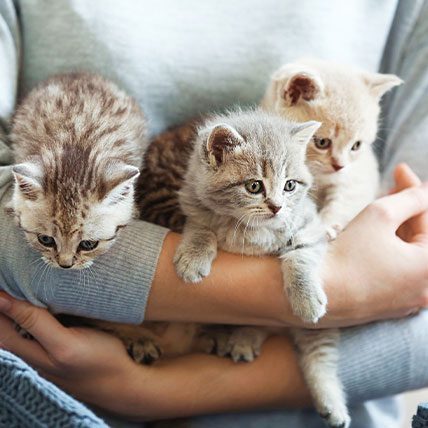
A Lifelong Commitment
Vaccinating your puppy or kitten is just the beginning. As they grow, they will need regular check-ups and booster shots to ensure their immunity stays strong. By committing to their health now, you’re setting the foundation for a long, happy life together.
Remember, the love you have for your pet is unconditional, and their health and happiness depend on the decisions you make today. Protect them, love them, and watch them thrive.