
Cat Ears: Signs of Ear Problems in Cats
Cat ears are remarkably expressive, and long before a cat seems visibly unwell, changes in how they hold, move, or react around their ears are often the very first clue that something’s wrong. Most owners picture a swollen or discharge-filled ear when they think of an ear problem, but in reality, the earliest signs are almost always behavioral, a head shake, a scratch, a flinch at being touched, rather than anything you can see at a glance. At Caring Hearts Animal Hospital in Matthews, NC, our team wants you to feel equipped to catch these subtle signals early, so keep reading to learn exactly what your cat’s behavior might be telling you.
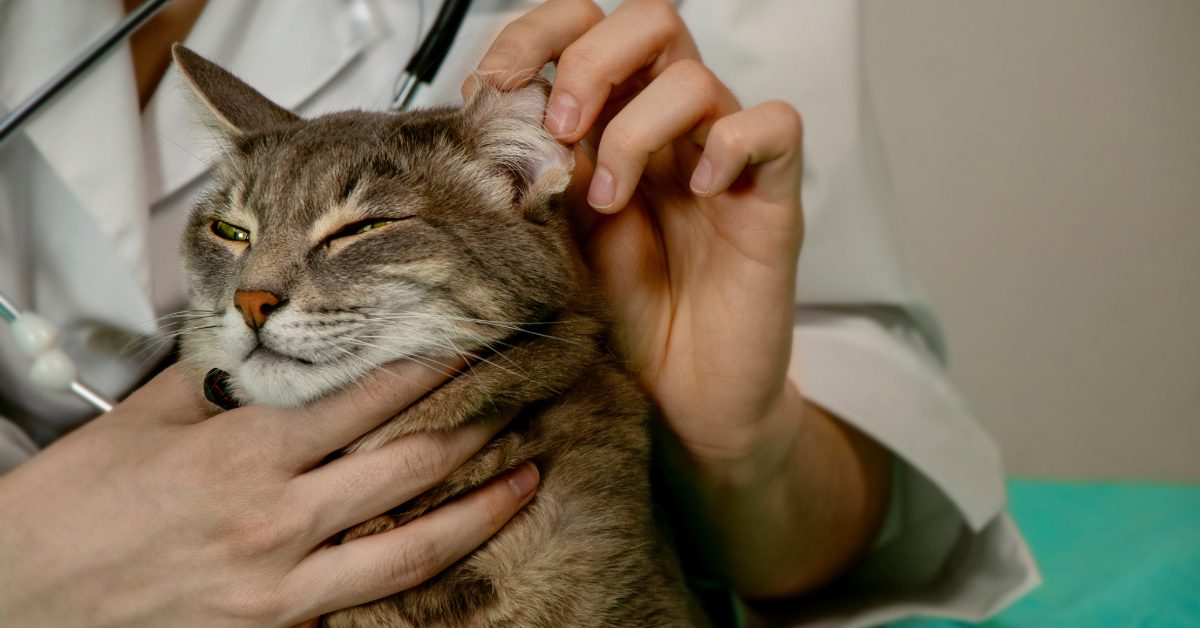
The Head Shake
A single head shake after grooming or waking up from a nap is normal. A cat who shakes their head repeatedly throughout the day, especially in a way that seems to interrupt whatever they were doing, is usually reacting to irritation inside the ear canal. This can stem from excess wax, moisture, or the early stages of an infection. Because the motion is quick and cats often shake it off and move on, this sign is easy to miss unless you’re specifically watching for it.
The Scratch That Won’t Stop
Cats scratch their ears occasionally as routine maintenance, but persistent or aggressive scratching at one or both cat ears is a different story. Watch for scratching that leaves visible marks, disrupts sleep, or happens in short bursts throughout the day rather than as a one-off. This pattern often points to itching from ear mites, allergies, or an active infection, all of which can affect cat ears in slightly different ways.
The Smell You Notice Before You See Anything
Long before visible symptoms appear, many owners pick up on a change in odor near their cat’s ears. A yeasty, sour, or otherwise unusual smell is one of the more reliable early indicators that something is developing inside the ear canal, even if the ear still looks relatively normal on the surface. Trusting your nose here is often smarter than waiting for a visual sign.
The Head Tilt
A head tilt is one of the more attention-grabbing signs pet owners notice, and for good reason. Cat ears play a role in balance as well as hearing, so a consistent tilt to one side can point to an issue deeper in the ear structure rather than just surface-level irritation. This is a sign that deserves prompt veterinary attention rather than a wait-and-see approach, since it suggests the problem may be affecting more than the outer ear.
The Cat Who Doesn’t Want to Be Touched
Some cats stop tolerating head scratches or ear rubs they used to enjoy. This shift in tolerance is a behavioral clue that’s often overlooked, since it’s easy to assume a cat is just “not in the mood” rather than recognizing it as pain-avoidance. If a previously affectionate cat suddenly pulls away from touch near the ears specifically, it’s worth paying attention to.
What’s Actually Happening Inside
Several different conditions can produce these signals, and cat ears are vulnerable to more than one issue at a time:
- Ear mites, tiny parasites that cause intense itching and a dark, crumbly discharge, particularly common in kittens and cats from multi-cat environments
- Bacterial or yeast infections, often triggered by trapped moisture or an underlying skin condition
- Allergies, which can cause inflammation in the ears even when the trigger is something your cat ate or encountered elsewhere
- Wax buildup, which can trap moisture and create conditions where infection takes hold
- Polyps or growths, less common but more frequently seen in older cats
Because cat ears curve down and then in toward the eardrum, debris and moisture can become trapped fairly easily, which is part of why these issues develop in the first place.
A Note on What Not to Do
It’s tempting to grab a cotton swab and try to clean out whatever’s causing the odor or discharge, but this is one of the more common mistakes we see. Cotton swabs can push debris deeper into the canal or damage sensitive structures, making the problem harder to treat rather than easier. If you want to do routine maintenance at home, stick to gently wiping the visible outer ear with a vet-approved solution, and leave anything inside the canal to your veterinary team.
Why Some Cats Are More At Risk
Not every cat faces the same odds when it comes to ear problems. A few patterns show up consistently:
- Cats with known allergies tend to develop ear inflammation more often than cats without
- Outdoor cats are exposed to more parasites and debris that can affect the ears
- Cats in multi-cat households have more opportunities to pick up contagious issues like ear mites from one another
Knowing whether your cat fits one of these patterns can help you stay a step ahead, rather than waiting for a strong signal before checking in.
Reading the Signals Correctly
The behaviors above rarely show up in isolation. A cat with ear mites might shake their head and scratch and develop a smell within the same week, while a cat with a polyp might show a head tilt without much else. Paying attention to which signals appear together, and how quickly they escalate, gives you and your veterinarian a much clearer starting point than any single sign on its own.
When It’s Time to Come In
If you’ve noticed more than one of these signals, or if a single sign like a head tilt or persistent odor shows up on its own, it’s time to have your cat’s ears examined at Caring Hearts Animal Hospital. Cat ears can look deceptively normal on the surface even when there’s a real problem developing underneath, which is exactly why these behavioral clues matter as much as they do.
Trusting What Your Cat Is Telling You
Cats can’t tell you in words that their ears are bothering them, but the head shakes, the scratching, the smell, and the sudden aversion to touch are all a language of their own. Learning to notice these signals early gives your cat the best shot at a quick, simple fix rather than a more complicated one down the road, and our team at Caring Hearts Animal Hospital in Matthews is always ready to help you interpret what you’re seeing. Call us at 704-893-2799 to make an appointment or speak with a knowledgeable member of our team.
Recent Posts
About Us
At Caring Hearts Animal Hospital, we’re not your typical veterinarian in Matthews, NC. We have been welcoming dogs and cats from Mint Hill, Indian Trail, and Union County for over 15 years, and our team is comprised of pet owners, too–so we appreciate the bond you share with your companions!