
Cat Eye Infection: Symptoms, Causes & Treatment
If your cat’s eye looks red, watery, or swollen, it could be more than just irritation—it may be an eye infection. Eye problems in cats can develop quickly and may signal an underlying condition that requires veterinary care. In many cases, a cat eye infection can appear mild at first, especially if your cat is still eating and acting normal. However, ignoring the signs can lead to discomfort or even long-term damage to your cat’s vision. Keep reading to learn how to recognize eye infections in cats, what might be causing them, and how they’re typically treated at the vet. For expert care in Matthews, NC, call Caring Hearts Animal Hospital at 704-893-2799 to book your cat’s appointment.
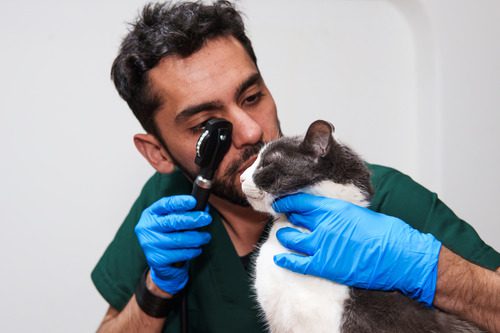
What Is a Cat Eye Infection?
A cat eye infection refers to inflammation or irritation in one or both eyes, often caused by bacteria, viruses, or irritants. These infections are relatively common and can affect cats of any age, breed, or lifestyle. Some infections clear up with timely veterinary intervention, while others may indicate chronic health conditions or contagious diseases. Whether the symptoms are mild or severe, it’s important not to overlook any change in your cat’s eye appearance or behavior.
Eye infections can affect different parts of the eye, including the conjunctiva (the tissue lining the eyelids), cornea (the clear front surface), or tear glands. Cats with underlying conditions such as feline herpesvirus or allergies are especially prone to recurring infections.
Common Symptoms of a Cat Eye Infection
A cat eye infection may not always be easy to spot, especially if your cat hides discomfort well. However, certain symptoms are more likely to appear with an active infection. Keep an eye out for these common signs of a cat eye infection:
- Redness in or around the eye
- Watery or thick discharge (clear, yellow, green, or even bloody)
- Squinting or frequent blinking
- Swelling of the eyelids
- Cloudiness or film over the eye
- Sensitivity to light
- Rubbing or pawing at the eye
- Behavioral changes like hiding or irritability
Even if your cat only shows one of these signs, it’s worth contacting your vet. Infections can worsen quickly, and prompt care helps avoid further complications.
What Causes a Cat Eye Infection?
Several factors can lead to a cat eye infection, from contagious diseases to environmental irritants. Identifying the cause plays a key role in selecting the most effective treatment.
Viral Infections
Feline herpesvirus (FHV-1) is a common cause of cat eye infections, particularly in shelter cats or those exposed to other animals. Once infected, cats may carry the virus for life and experience periodic flare-ups, often triggered by stress.
Bacterial Infections
Bacterial agents like Chlamydophila felis and Mycoplasma are often associated with feline upper respiratory infections and conjunctivitis. These bacteria can be contagious and often occur alongside viral infections.
Environmental Irritants
Smoke, dust, pollen, cleaning agents, and other airborne irritants can inflame your cat’s eyes and mimic the symptoms of infection. If your cat’s symptoms resolve quickly after reducing exposure, an irritant may be the cause.
Injuries and Foreign Objects
Scratches from other animals, rough play, or debris in the eye can lead to infections if bacteria enter through broken tissue. Outdoor cats or those in multi-pet homes are more likely to experience this.
Underlying Medical Conditions
Some systemic illnesses or autoimmune diseases can manifest as eye inflammation or infection. Chronic infections may require testing to uncover a deeper cause.
How Vets Diagnose a Cat Eye Infection
At Caring Hearts Animal Hospital, we perform a thorough eye exam to determine the source of the issue. Diagnosing a cat eye infection involves several steps to ensure accurate treatment and lasting relief for your pet.
What to Expect During the Exam
- Physical exam: Your vet will check your cat’s eyes for signs of redness, swelling, discharge, and discomfort.
- Fluorescein staining: A special dye highlights ulcers or scratches on the cornea.
- Tear production test: Measuring tear production helps identify conditions like dry eye.
- Eye pressure testing: This checks for signs of glaucoma, which can cause secondary infections.
- Lab testing: In chronic or severe cases, the vet may recommend swabbing the eye for bacterial culture or PCR testing to identify specific viruses or bacteria.
These steps help your vet determine if the infection is isolated or part of a broader health concern.
Potential Treatment Options for a Cat Eye Infection
Once your vet diagnoses a cat eye infection, they’ll create a treatment plan tailored to your cat’s specific condition. Treatment often depends on the cause and severity of the infection. Common treatment methods may include:
- Antibiotic or antiviral eye drops: These are applied directly to the eye to combat bacterial or viral infections.
- Oral medications: If the infection has spread beyond the eye or if your cat won’t tolerate eye drops, oral antibiotics or antivirals may be prescribed.
- Eye ointments: These offer longer-lasting relief and can be easier to apply than drops for some pet owners.
- Anti-inflammatory medications: These help reduce swelling and discomfort associated with infection.
- Follow-up appointments: Monitoring your cat’s progress ensures the infection resolves and doesn’t return.
Always follow your vet’s instructions and complete the entire course of prescribed medication—even if your cat’s symptoms improve early.
Can a Cat Eye Infection Go Away on Its Own?
While minor irritation might resolve quickly, a true cat eye infection rarely clears up without treatment. Ignoring symptoms can lead to complications like corneal ulcers, chronic eye damage, or spreading of infection to other tissues. Prompt veterinary care not only treats the current issue but also helps identify any underlying causes that need attention. If your cat has had eye issues before, your vet may recommend ongoing monitoring to prevent future infections.
When to Call Your Vet About a Cat Eye Infection
Cats are good at hiding discomfort, so you might not always notice when something is wrong. If your cat shows any of the following signs, it’s time to make an appointment:
- Eye discharge lasting more than 24 hours
- Visible swelling or redness
- Cloudy or hazy appearance in the eye
- Frequent squinting or rubbing
- Change in behavior or appetite
Cat eye infections are common but treatable when addressed promptly. Knowing what to watch for and seeking veterinary care early helps your cat avoid unnecessary discomfort and complications. If your cat is showing symptoms, don’t wait to take action. Caring Hearts Animal Hospital in Matthews, NC, can provide gentle, expert care tailored to your cat’s needs. Call us today at 704-893-2799 to schedule an appointment. Your cat’s comfort and vision matter—let us help protect both.
Recent Posts
About Us
At Caring Hearts Animal Hospital, we’re not your typical veterinarian in Matthews, NC. We have been welcoming dogs and cats from Mint Hill, Indian Trail, and Union County for over 15 years, and our team is comprised of pet owners, too–so we appreciate the bond you share with your companions!