
Dog Poop: What’s Normal and When to Call the Vet
Dog poop tells a story about digestion, hydration, diet, stress, parasites, and overall health. Many pet owners glance at their dog’s poop during walks without realizing how much useful information it provides. Color, texture, odor, and frequency all help veterinarians evaluate what may be happening inside a dog’s body. When dog poop looks normal, it usually reflects stable digestion and a balanced routine. When your dog’s poop changes suddenly or looks unusual, it can signal that something deserves professional attention. This guide explains what normal dog poop looks like, what changes may mean, and when it is time to call your veterinarian at Caring Hearts Animal Hospital in Matthews, NC at 704-893-2799.
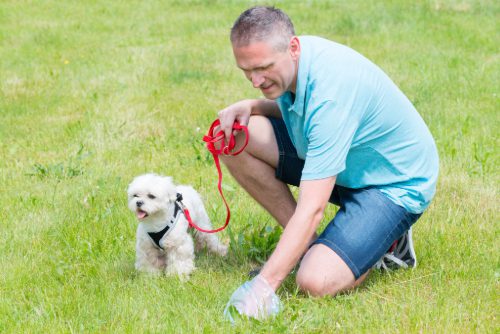
What Normal Dog Poop Should Look Like
Normal poop typically appears firm, moist, and easy to pick up. Many veterinarians describe healthy fecal matter as similar in shape and consistency to a soft log that holds together without crumbling or smearing. It also has a medium to dark brown color, reflecting balanced digestion and healthy bile flow. The smell of dog poop is never pleasant, yet normal dog poop should not have a strong or unusually foul odor.
Healthy fecal matter often appears consistent from day to day when a dog eats a stable diet and follows a predictable routine. Most dogs pass poop one to three times daily, depending on age, diet, and activity level. Puppies may pass poop more frequently, while senior dogs may have more variation. Consistency matters more than strict schedules. When dog stool remains uniform in texture, color, and frequency, it usually indicates stable gastrointestinal function.
Stool that looks normal also lacks visible mucus, blood, or foreign material. Owners sometimes notice seeds, grass, or hair in dog poop, which can occur occasionally. However, frequent foreign material in your dog’s stool may suggest dietary curiosity or digestive irritation. Normal poop stays uniform without excessive shine, foam, or greasy residue.
Color Changes in Dog Poop and What They Can Mean
Dog poop color provides valuable insight into digestive health. Brown dog poop reflects proper bile breakdown and normal digestion. When your dog’s stool changes color, it often signals a shift somewhere in the digestive process. Black stool may suggest digested blood, while bright red streaks in fecal matter may reflect irritation near the rectum or colon. Yellow poop may indicate rapid digestion or bile imbalance.
Green poop can appear after grass consumption or exposure to certain foods. Gray or pale fecal matter sometimes points toward fat digestion concerns. Orange poop often reflects bile concentration changes. White specks in poop may raise questions about intestinal parasites. Although color alone does not confirm a diagnosis, consistent changes in fecal matter color should always prompt a veterinary conversation.
Dog poop color also varies with treats, supplements, and dietary transitions. Sudden diet changes often cause temporary poop discoloration. Still, repeated color abnormalities in dog poop deserve attention from a veterinarian who can evaluate the entire health picture.
Texture and Consistency of Poop
Firm Poop
Firm poop holds its shape and leaves little residue. This texture usually reflects proper water absorption and balanced digestion. Firm poop also indicates that nutrients pass through the intestines at a steady pace.
Soft Poop
Soft poop may appear mushy or partially formed. Occasional soft stool can follow stress, excitement, or mild digestive upset. Repeated soft poop, however, may signal ongoing digestive imbalance.
Watery Stool
Watery dog poop, often described as diarrhea, reflects increased fluid in the intestines. Watery stool may appear suddenly and may occur multiple times in a short period. When watery poop persists, veterinary evaluation becomes important.
Hard Poop
Hard stool appears dry, compact, and difficult to pass. It may cause straining and discomfort. Texture changes in poop often correlate with hydration levels, diet composition, and intestinal motility. Monitoring dog poop texture over time provides a clearer picture than focusing on a single stool. Consistent changes in your dog’s poop texture warrant a veterinary call.
Odor Changes in Dog Poop
All dog poop smells unpleasant, yet extreme odor changes may suggest digestive shifts. Very strong or sulfur-like poop odor may indicate bacterial imbalance or dietary intolerance. Sweet-smelling dog stool can appear with certain metabolic changes. Greasy or rancid-smelling poop may reflect fat digestion concerns. When your dog’s poop odor suddenly changes and remains strong for several days, it may signal that digestion is no longer balanced. Pairing odor changes with texture or color changes in poop increases the importance of veterinary evaluation.
Frequency and Timing of Poop
Most adult dogs pass dog poop one to three times daily. Puppies often pass stool more frequently. Senior dogs may experience changes in poop frequency due to slowed digestion or mobility differences. Sudden increases or decreases in stool frequency often signal digestive stress. Dog poop that appears urgently, repeatedly, or during unusual times of day may indicate irritation or inflammation. Dogs that suddenly wake overnight to use the bathroom may show signs of gastrointestinal discomfort. Tracking poop frequency helps veterinarians assess patterns rather than isolated events. Consistency matters. When your dog’s poop frequency remains predictable, digestion usually remains stable. When the frequency shifts suddenly, professional guidance helps determine the next steps.
When Dog Poop Signals a Veterinary Visit
Certain dog poop changes should always prompt a call to Caring Hearts Animal Hospital. Persistent diarrhea, ongoing constipation, repeated blood in poop, or black poop deserve timely evaluation. Stool that contains mucus repeatedly may reflect intestinal irritation. If you notice visible parasites or rice-like segments in your dog’s poop, this also requires veterinary attention.
Behavior matters alongside your dog’s fecal matter. If a dog shows lethargy, vomiting, appetite changes, or abdominal discomfort along with abnormal fecal matter, veterinary evaluation becomes even more important. Dog poop rarely tells the entire story alone, yet it provides an important clue.
Poop that changes after travel, boarding, or dietary transitions may stabilize on its own. However, stool that continues to look abnormal for more than a short period benefits from professional assessment. Veterinary teams evaluate dog poop patterns together with medical history, diet, and physical findings.
Why Dog Poop Plays a Role in Preventive Care
Dog poop offers an early window into digestive and systemic health. Many illnesses first appear through subtle poop changes before other symptoms develop. Monitoring your dog’s stool helps identify issues early, which supports better outcomes and smoother treatment planning.
Veterinarians often ask about stool during wellness visits because it reflects hydration, nutrition, parasite status, and intestinal function. Bringing clear observations about your dog’s poop color, texture, odor, and frequency helps your veterinary team build a more accurate picture. Fecal matter also helps guide parasite prevention strategies. Routine stool evaluations rely directly on dog poop samples. Consistent monitoring of poop helps support ongoing preventive care and early detection.
Common Myths About Dog Poop
Many owners believe a dog’s fecal matter always changes because of diet alone. While diet influences dog poop, many other factors contribute. Stress, infections, parasites, medications, and chronic conditions also affect fecal appearance. Another myth suggests that occasional abnormal poop never matters. In reality, repeated fecal matter changes often carry important meaning. Some owners assume firm dog poop always equals perfect health. While firm fecal matter reflects good digestion, it does not rule out other health concerns. Your dog’s poop serves as one piece of a larger health puzzle rather than a complete answer.
How Veterinarians Evaluate Your Dog’s Poop
Veterinarians assess dog poop using visual inspection, laboratory testing, and medical history. Dog poop samples allow teams to check for parasites, bacteria, and microscopic abnormalities. The appearance of poop also guides diagnostic recommendations. Your veterinarian considers how long the stool has looked abnormal, whether changes appeared suddenly or gradually, and whether other symptoms accompany the changes. This detailed evaluation helps ensure accurate diagnosis and care planning. Clear communication about your dog’s stool helps veterinary teams support pets more effectively. Photographs, written notes, and sample submissions all help guide proper assessment.
Partnering With Your Matthews Veterinarian
Dog poop may feel like an awkward topic, yet it plays a valuable role in health monitoring. Open conversations about your dog’s poop help protect long-term digestive and overall wellness. Veterinary teams view dog fecal matter as a normal and important part of preventive care. At Caring Hearts Animal Hospital in Matthews, NC, our team welcomes questions about dog poop and digestive health. Whether your dog’s poop looks slightly different or clearly abnormal, professional guidance helps clarify next steps. Calling 704-893-2799 connects you with a team ready to support your dog’s health.
Recent Posts
About Us
At Caring Hearts Animal Hospital, we’re not your typical veterinarian in Matthews, NC. We have been welcoming dogs and cats from Mint Hill, Indian Trail, and Union County for over 15 years, and our team is comprised of pet owners, too–so we appreciate the bond you share with your companions!